
Are you tired of tripping over your kids’ stuff?
In today’s modern world, children are often surrounded by an overwhelming amount of toys, clothes, and other belongings. As a result, their rooms can quickly become cluttered and chaotic, making it difficult for them to find what they need and hindering their ability to focus and relax. Decluttering their rooms is not only about creating a tidy space; it also promotes their well-being, encourages creativity, and instills important life skills.
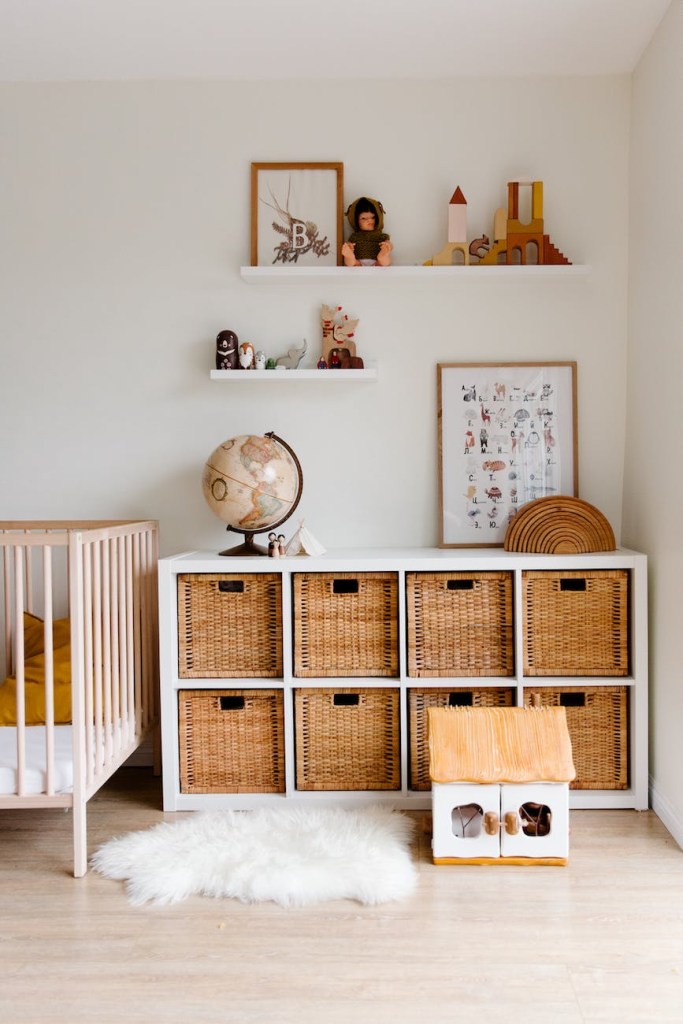
Decluttering a child’s room offers numerous advantages, starting with improved concentration and mental clarity. An organized space allows children to easily locate and access their belongings, reducing the time spent searching for items and increasing their ability to focus. With less visual clutter, children can concentrate on their studies, engage in imaginative play, and even sleep more peacefully. A clear and tidy room can also have positive effects on their overall mood and emotional well-being, fostering a sense of calm and tranquility.
Moreover, decluttering helps nurture a child’s creativity. With fewer toys in their room, children can rediscover the joy of imagination and develop more resourcefulness. Instead of relying on an excessive number of toys, they can learn to invent stories, build forts with blankets and pillows, or engage in open-ended play. By delving into their own imagination, they can tap into their creativity and problem-solving skills, which are valuable assets for their future.
Decluttering kids’ rooms also instills essential life skills, such as responsibility, organization, and decision making. By involving children in the decluttering process, parents can empower them to take control of their space and belongings.
How can you do this at home? Begin by explaining the concept of decluttering and how it can lead to a happier and more functional room. Encourage kids to sort their toys and clothes into categories, such as keep, donate, or discard. This process can teach them to assess the value of their possessions, make thoughtful choices, and appreciate the importance of giving back to others through donations.
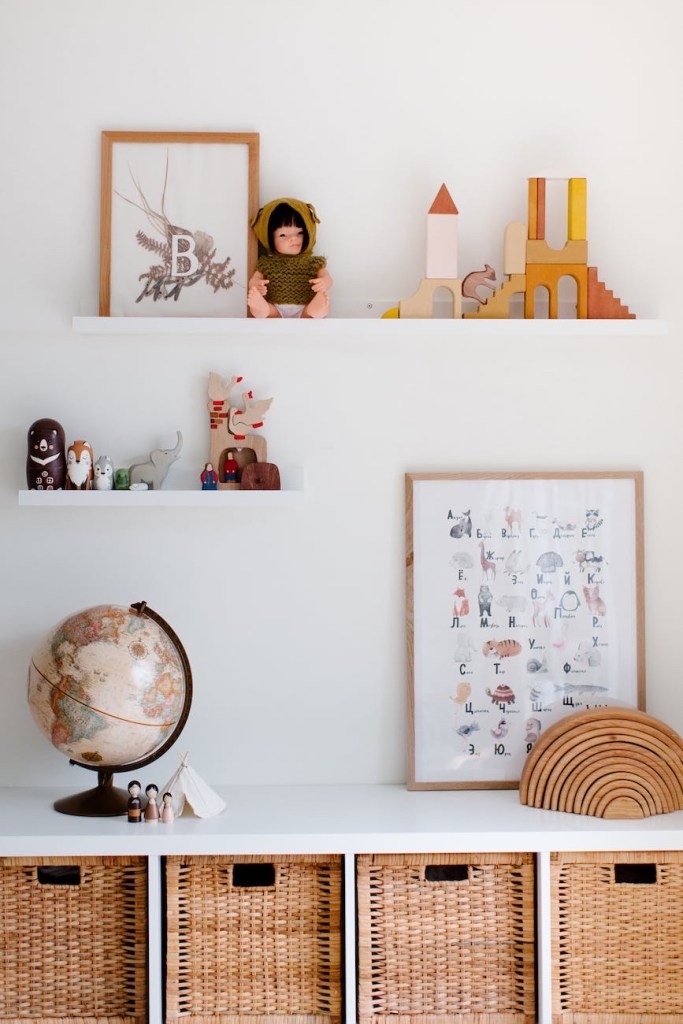
To start, break down the process into manageable tasks or zones. Perhaps begin with the closet and then move on to their toys or bookshelf. This allows children to focus on one area at a time and feel a sense of accomplishment as they complete each task.
Aim to create designated spaces for different purposes. For example, dedicate a specific area for toys, books, and clothes. Use storage containers, shelves, or bins to keep things organized and easily accessible. You can also consider implementing a rotation system for toys to avoid overwhelming clutter. By periodically swapping out toys, children feel as though they have new items to play with while maintaining an organized space.
Involve your children in the decision-making process. Ask them for their input on which toys they value the most or which clothes they love to wear. This not only helps them feel a sense of ownership over their space, but it also encourages them to think critically about their belongings and make informed choices.
Finally, celebrate and reward their efforts. After completing each decluttering session, acknowledge their hard work and give them a small treat or engage in a fun activity as a family. This positive reinforcement will motivate children to embrace decluttering and maintain an organized space in the long run.
Decluttering a child’s room is a transformative process that offers countless benefits. By creating an organized and inviting space for children, parents can promote their concentration, nurture their creativity, and teach them valuable life skills. Through a combination of effective strategies and involving children in the decluttering process, parents can pave the way for a decluttered and harmonious environment that fosters happiness and growth for their little ones.
 Winifred Gladin
Leave a comment